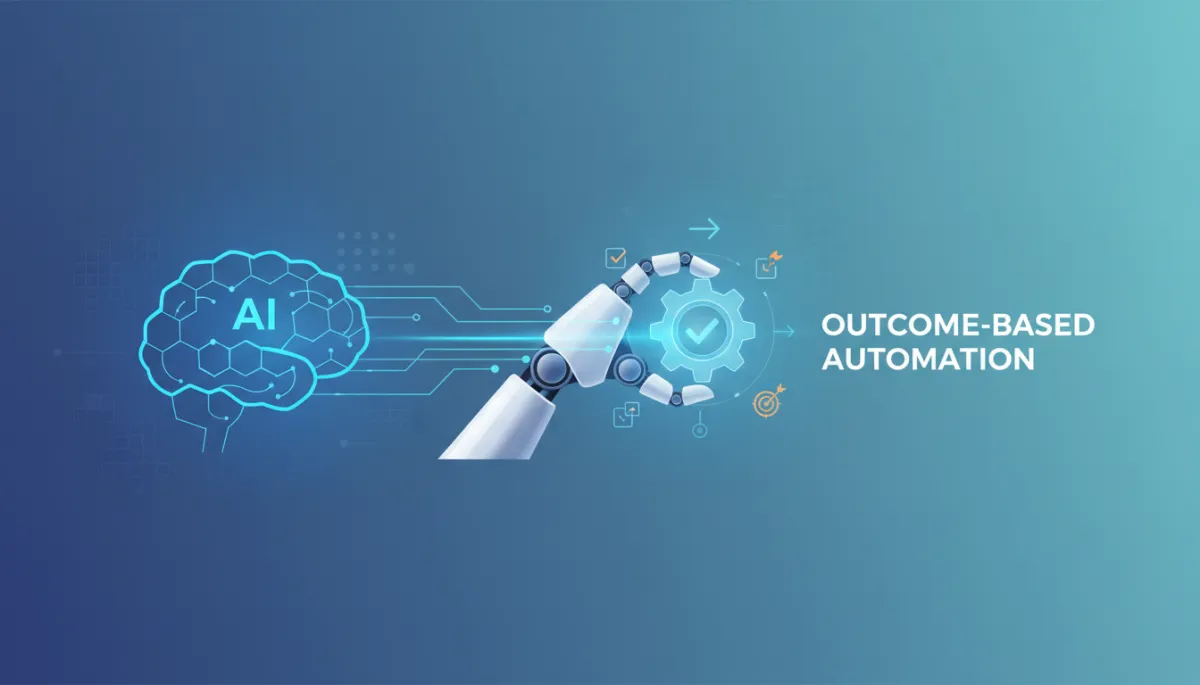
Outcome-Based Automation with AI and RPA
Automation, AI, RPA, Digital Transformation
Outcome-Based Automation with AI and RPA
Discover how outcome-based automation, powered by AI and RPA, helps organizations move beyond task completion to measurable business impact.
From Task Automation to Outcome-Based Automation
Traditional automation has largely focused on tasks—speeding up data entry, routing emails, or updating records. While useful, this approach often optimizes isolated activities without improving the end-to-end business result. Outcome-based automation flips this perspective. Instead of asking, “Which tasks can we automate?” it starts with, “Which outcomes matter most to the business?”
In an outcome-based model, automation is designed, orchestrated, and measured around specific goals—such as reducing order-to-cash cycle time, improving first-contact resolution, or increasing compliance accuracy. Every workflow, every bot, and every AI model is aligned to these measurable targets, creating a clear line of sight from technology investment to business value.
📌 Key Takeaway: Outcome-based automation is not about automating more tasks; it is about automating the right tasks in the right way to deliver a clearly defined business result.
The Role of AI in Outcome-Based Automation
Outcome-based automation relies heavily on artificial intelligence to make processes smarter, more adaptive, and more predictive. AI shifts automation from rigid rule-based scripts to dynamic workflows that can interpret data, learn from patterns, and recommend the next best action. This is crucial when outcomes depend on nuanced decisions, unstructured data, or changing customer behavior.
Perception: AI can read emails, documents, and forms, extracting meaning where traditional systems see only text and images.
Prediction: Machine learning models anticipate churn, fraud, late payments, or demand spikes, allowing workflows to adjust before issues escalate.
Decisioning: AI engines evaluate multiple options—such as routing a case, escalating a claim, or prioritizing an order—based on probability of achieving the desired outcome.
When AI is embedded into automation flows, organizations gain a closed-feedback loop: outcomes feed data back into models, which in turn refine future decisions. This continuous learning makes outcome-based automation more accurate and more valuable over time, rather than degrading as conditions change.
How RPA Operationalizes AI at Scale
While AI brings intelligence, robotic process automation (RPA) brings execution. RPA bots interact with existing systems—ERP, CRM, legacy platforms, and web applications—just like a human user, but faster and without fatigue. In outcome-based automation, RPA serves as the digital workforce that operationalizes AI decisions across fragmented technology landscapes.
AI classifies an incoming claim; RPA bots collect data from multiple systems and update records accordingly.
AI predicts late payment risk; RPA automatically triggers reminders, adjusts credit terms, or escalates to collections based on defined outcome rules.
AI identifies high-value customer inquiries; RPA prioritizes these cases in service queues to improve satisfaction and retention metrics.
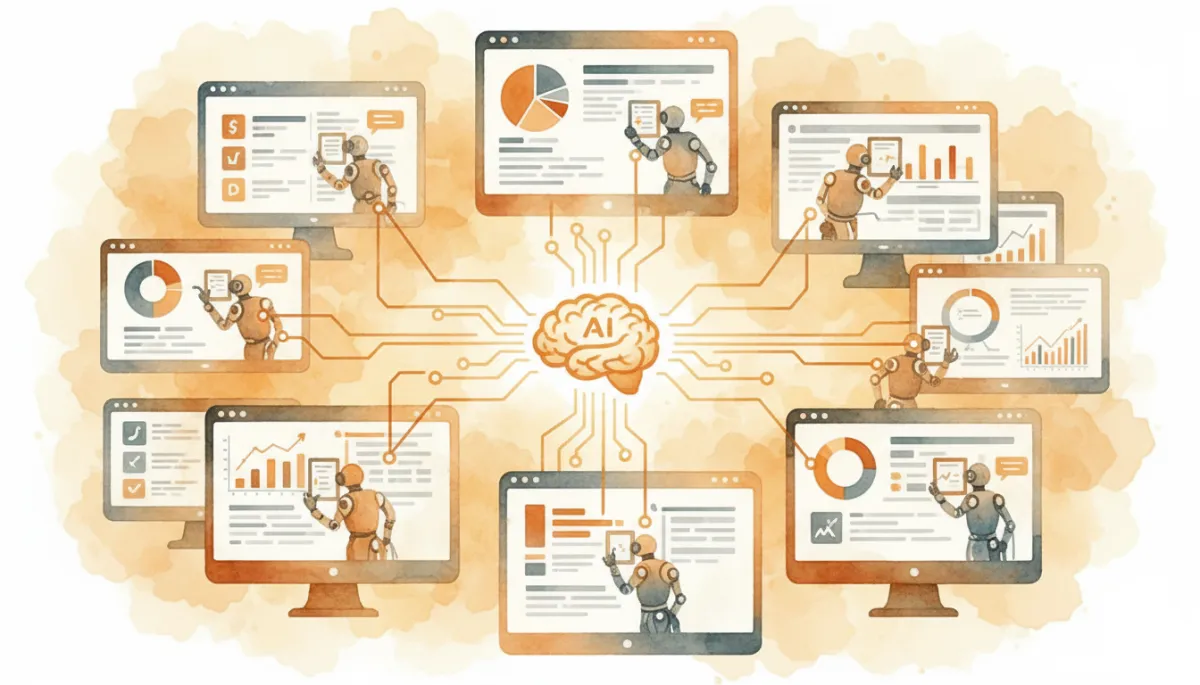
Coordinated AI and RPA turn scattered tasks into outcome-driven digital workflows.
Designing for Measurable Outcomes, Not Just Automation
To realize the full potential of outcome-based automation with AI and RPA, organizations must design with clarity and discipline. That begins with defining the outcome in concrete terms—such as a percentage reduction in handling time, an increase in straight-through processing, or an uplift in net promoter score. These targets become the north star for process redesign, data strategy, and technology selection.
Identify critical journeys: Focus on processes that directly influence revenue, cost, risk, or customer experience.
Map data and decisions: Understand where data is generated, how decisions are made, and where AI can add intelligence.
Orchestrate human and digital work: Combine AI, RPA, and human expertise so each handles the tasks they are best suited for.
Measure continuously: Track KPIs in real time and refine models, rules, and workflows to keep outcomes on target.
💡 Pro Tip: Start with a pilot that links AI and RPA to a single high-value outcome, prove impact quickly, and then scale the model across functions.
The Future of Outcome-Based Automation
As organizations mature in their use of AI and RPA, automation will no longer be judged by how many processes are digitized, but by how consistently it delivers business outcomes. Outcome-based automation enables enterprises to respond faster to market changes, elevate customer experiences, and unlock new efficiency gains that static workflows cannot match.
By combining the intelligence of AI with the execution power of RPA, and anchoring both in clearly defined outcomes, organizations create a resilient, adaptive automation layer across the enterprise. This is not just the next step in process improvement—it is a fundamental shift in how businesses design, run, and continuously optimize their operations.
